

Rendering
Trowelled weather coats, including sand and cement where the wall wants a harder mix.
Rendering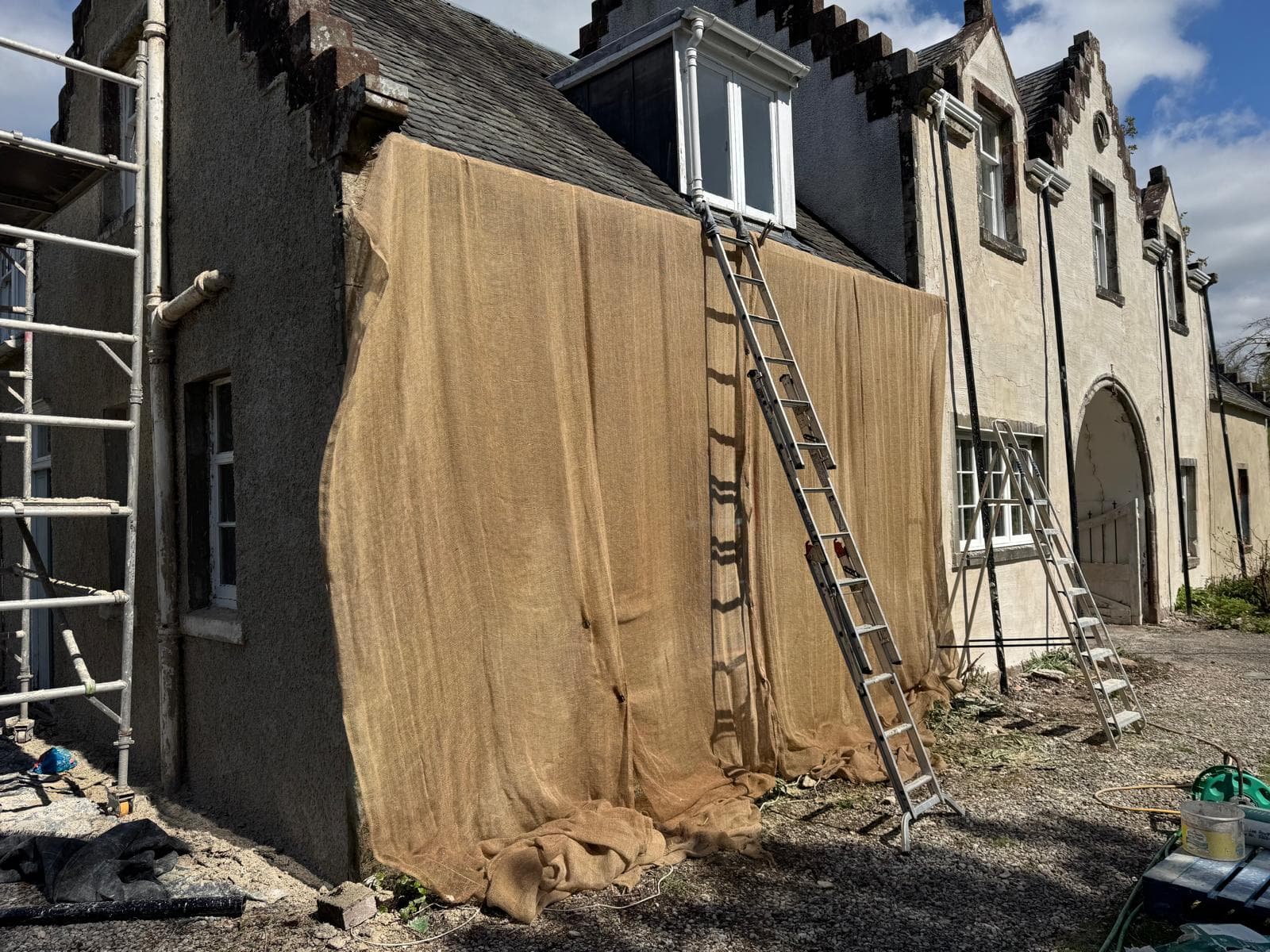
Glasgow and Central Scotland
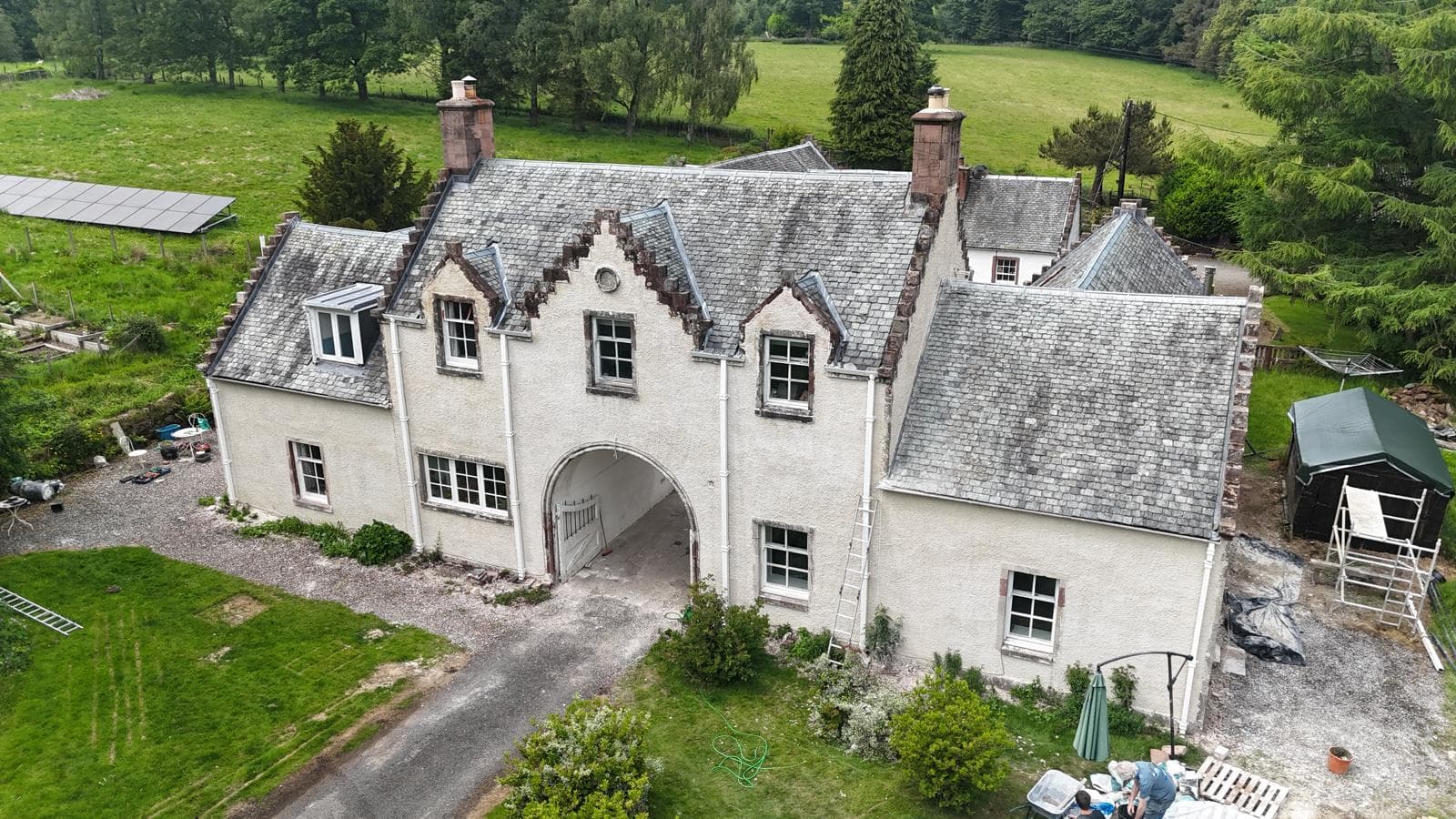
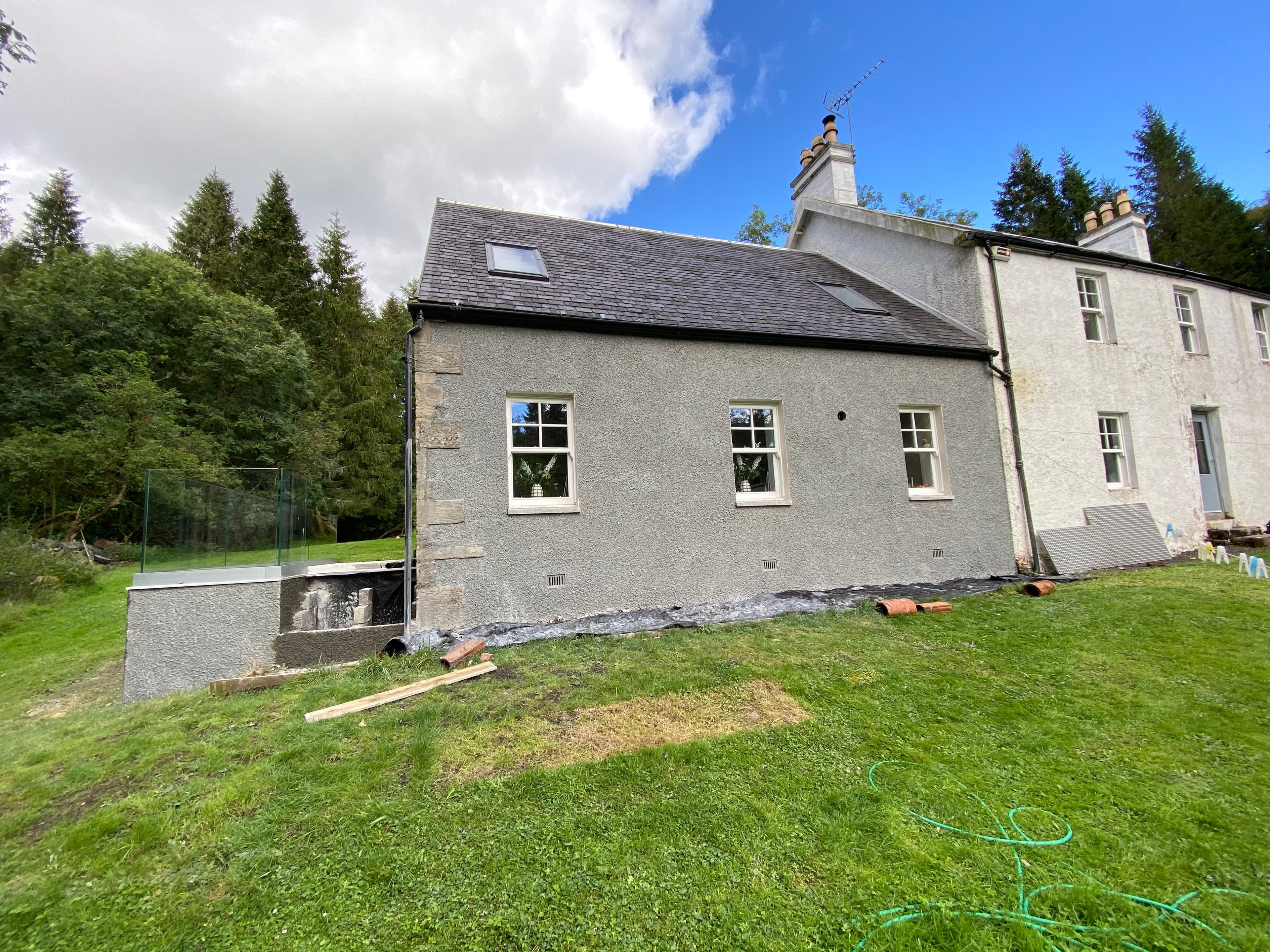
A keyed scratch coat, then lime on masonry that needs to breathe. Traditional two-coat work on older brick and stone, not a hard cement skin and not a chip dash.
This is the traditional two-coat job. The scratch is the first keyed coat. Lime follows on masonry that needs to let moisture out. It is not a sand and cement weather coat on modern block, and it is not wet-dash chip.
Hard cement on soft brick or stone can trap water and blow. Lime lets the wall dry. We look at the masonry before we talk colour or paint.
Failed cement has to come off. Open joints are taken back. The scratch is laid and keyed, then the lime finishing coat. Covering a hollow cement coat with lime just hides the failure until it comes away.
01
Call, WhatsApp, email or use the contact form. Include a photo of the work if you can.
02
We talk through the condition of the walls or ceiling and recommend the right finish before work is undertaken.
03
Reliable, clean plastering carried out to a professional high standard, with no job too big or small.
04
From preparation through to the final finish, the room or elevation is left ready for the next trade.
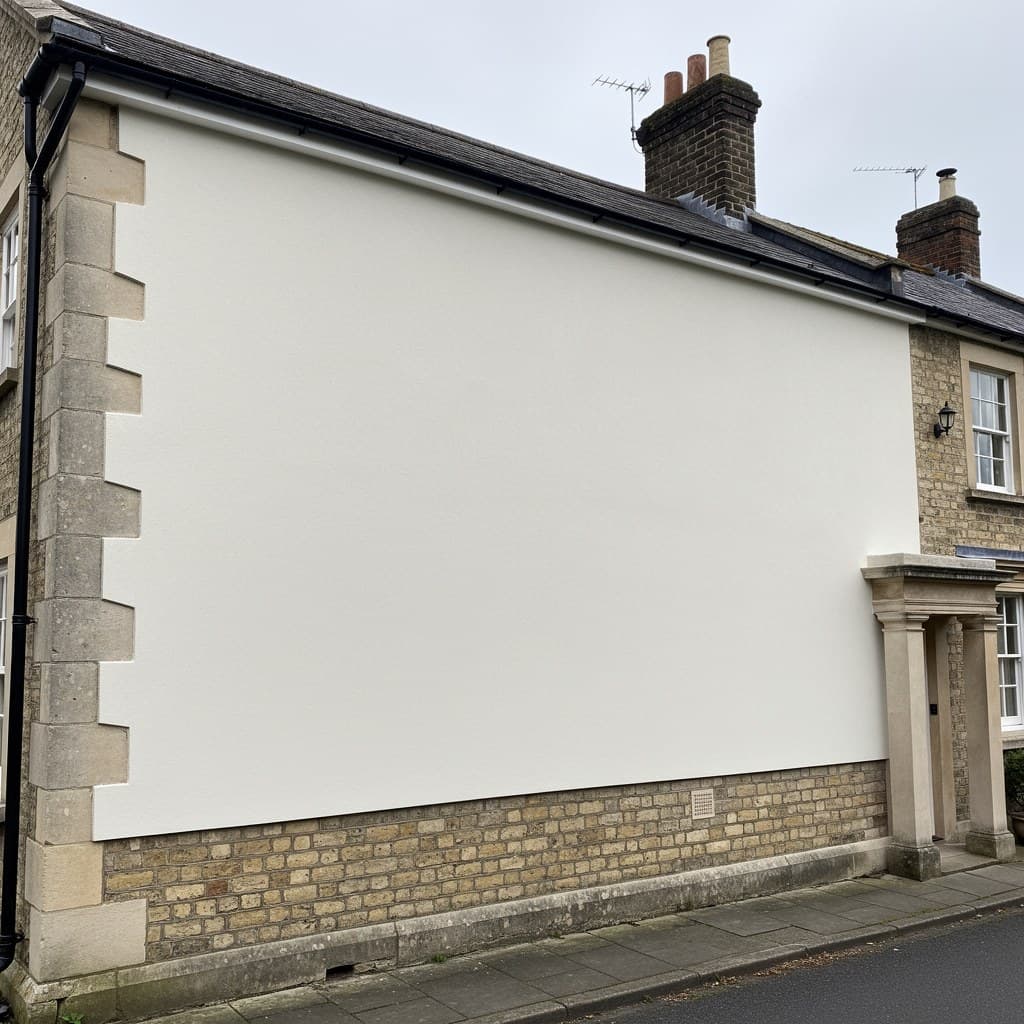
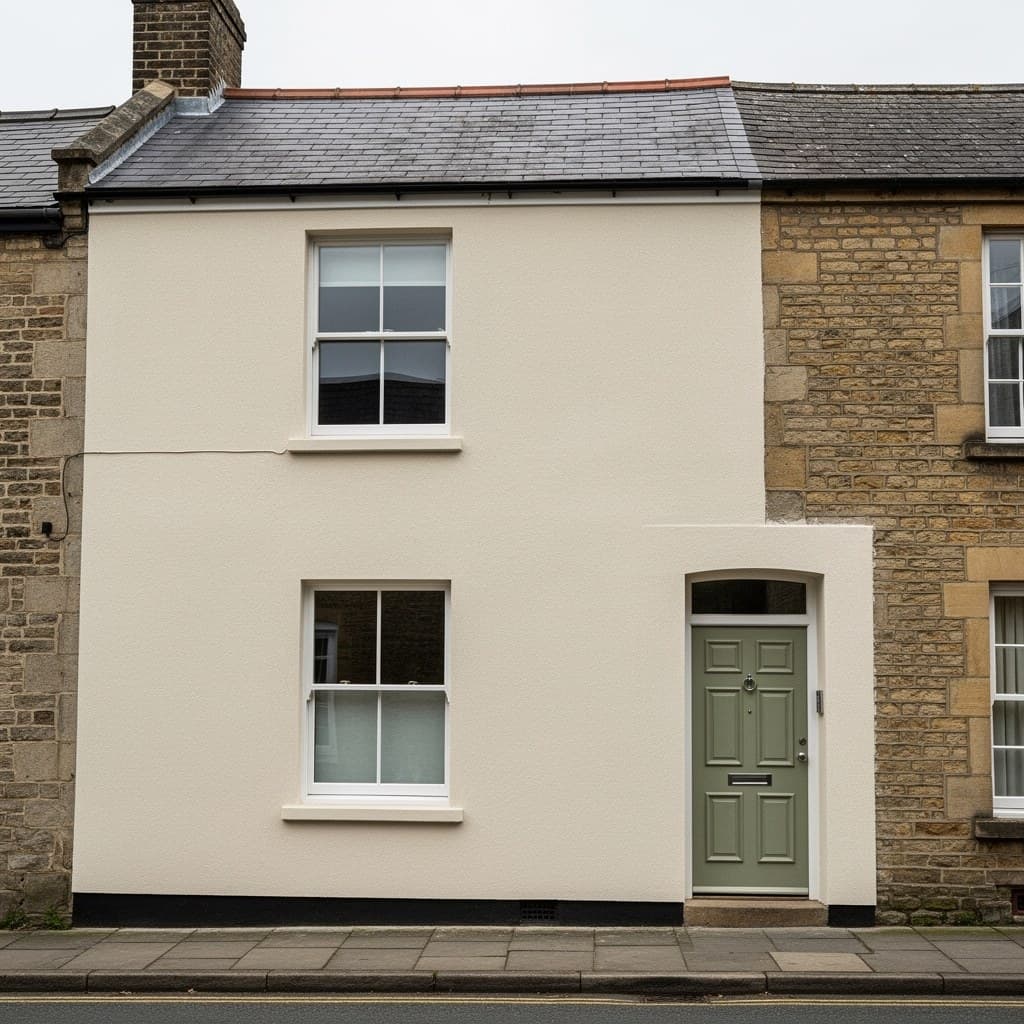
All work photos have been done by Steven Hutchison.
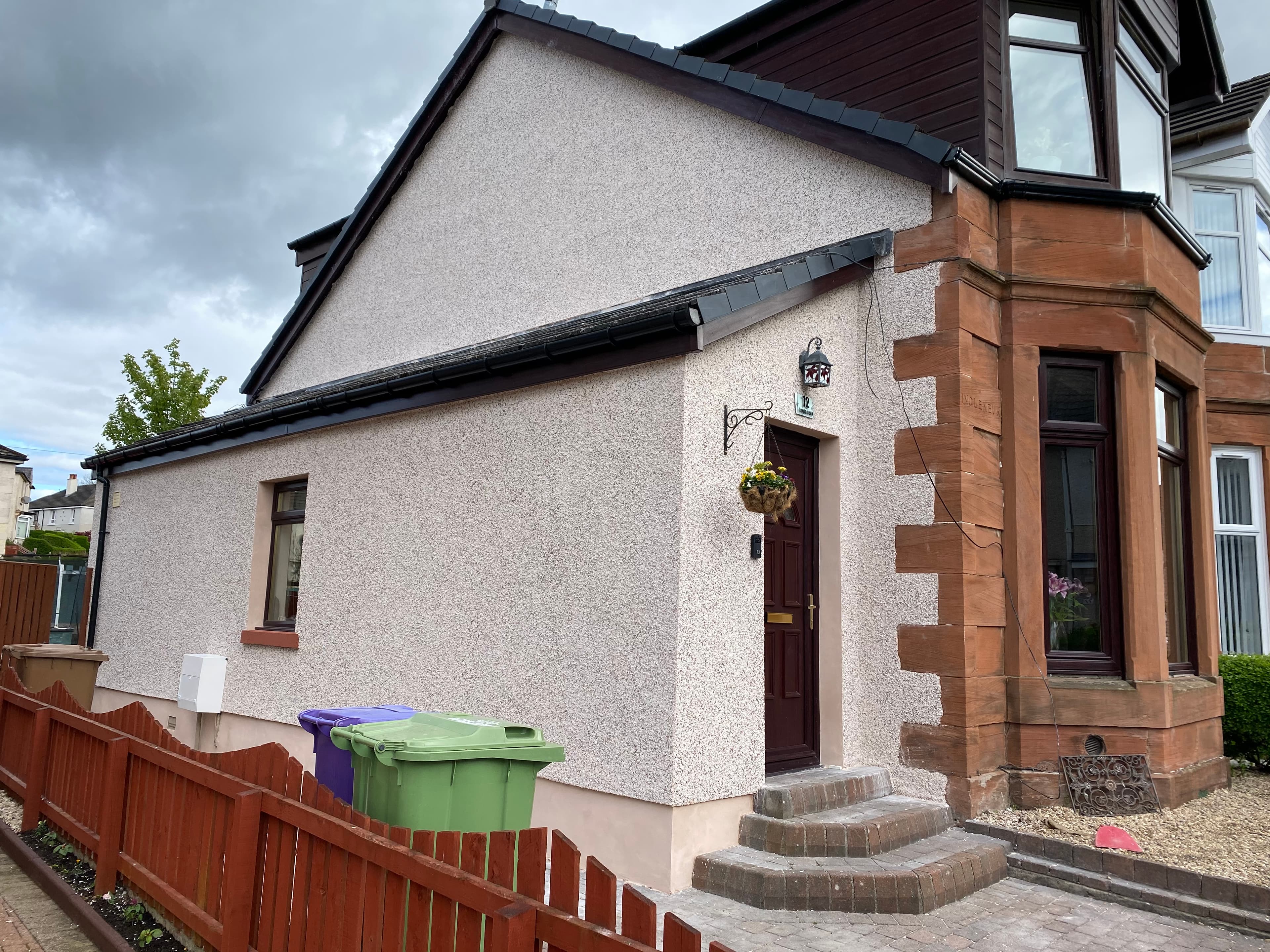
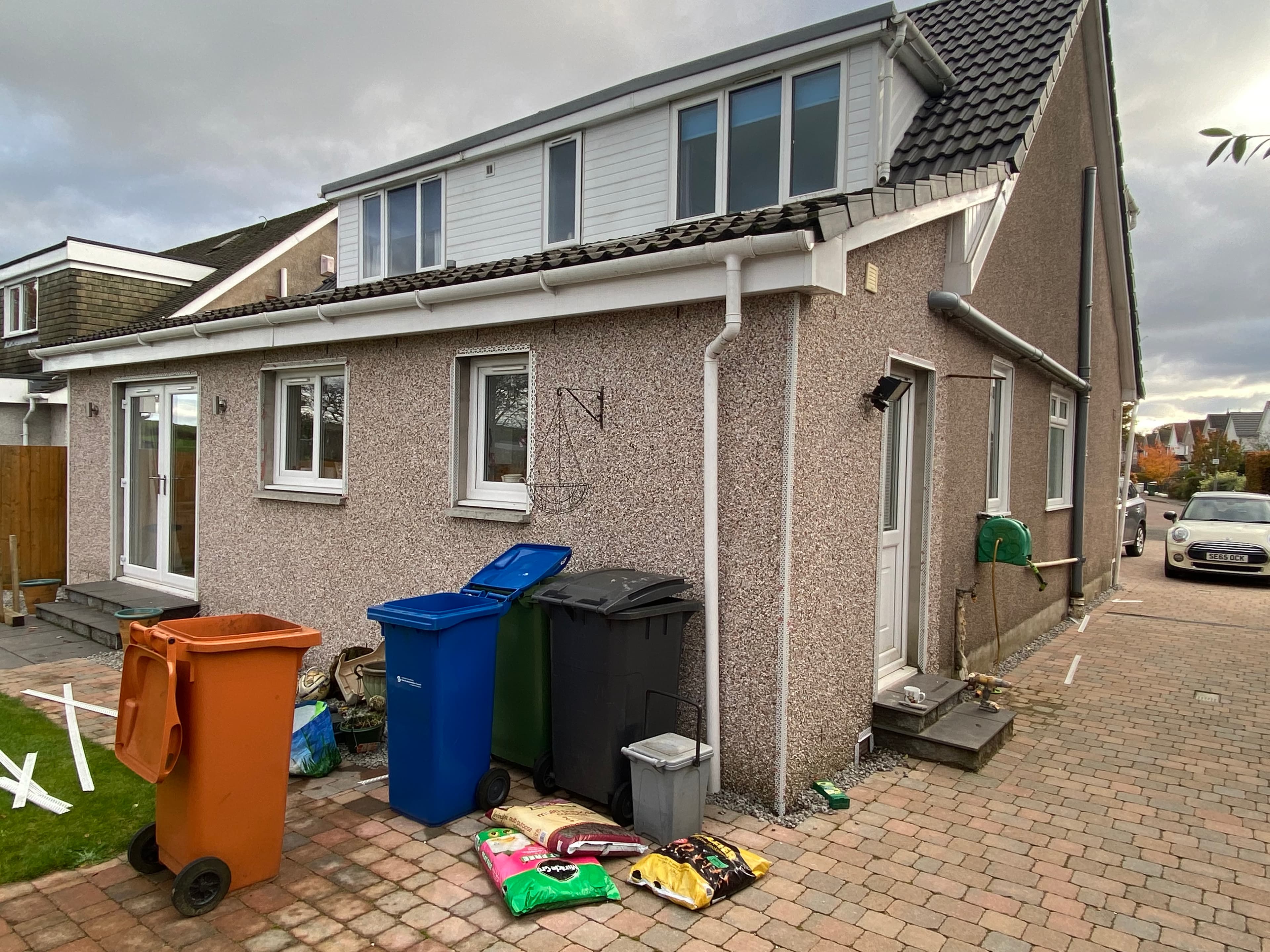
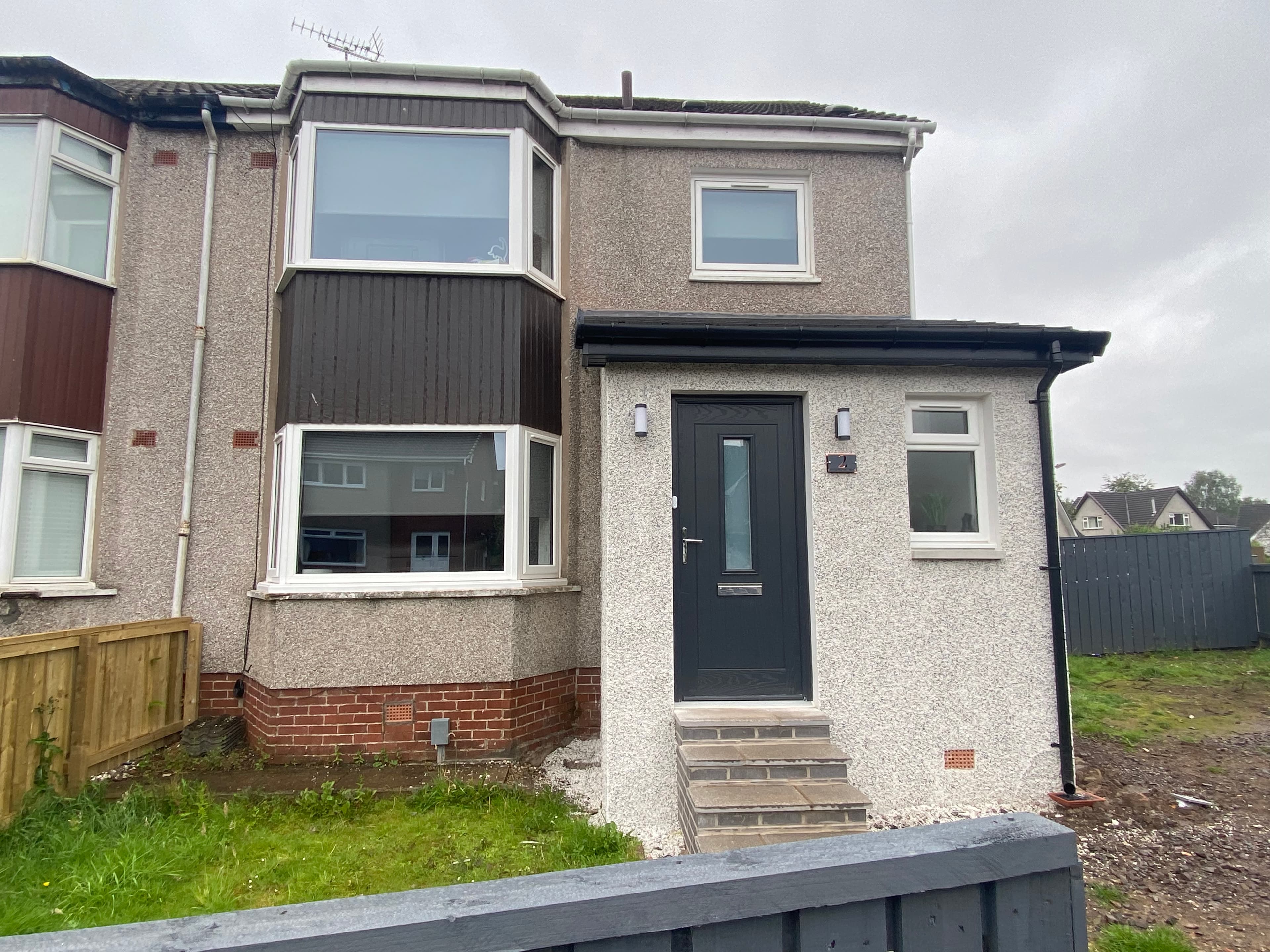
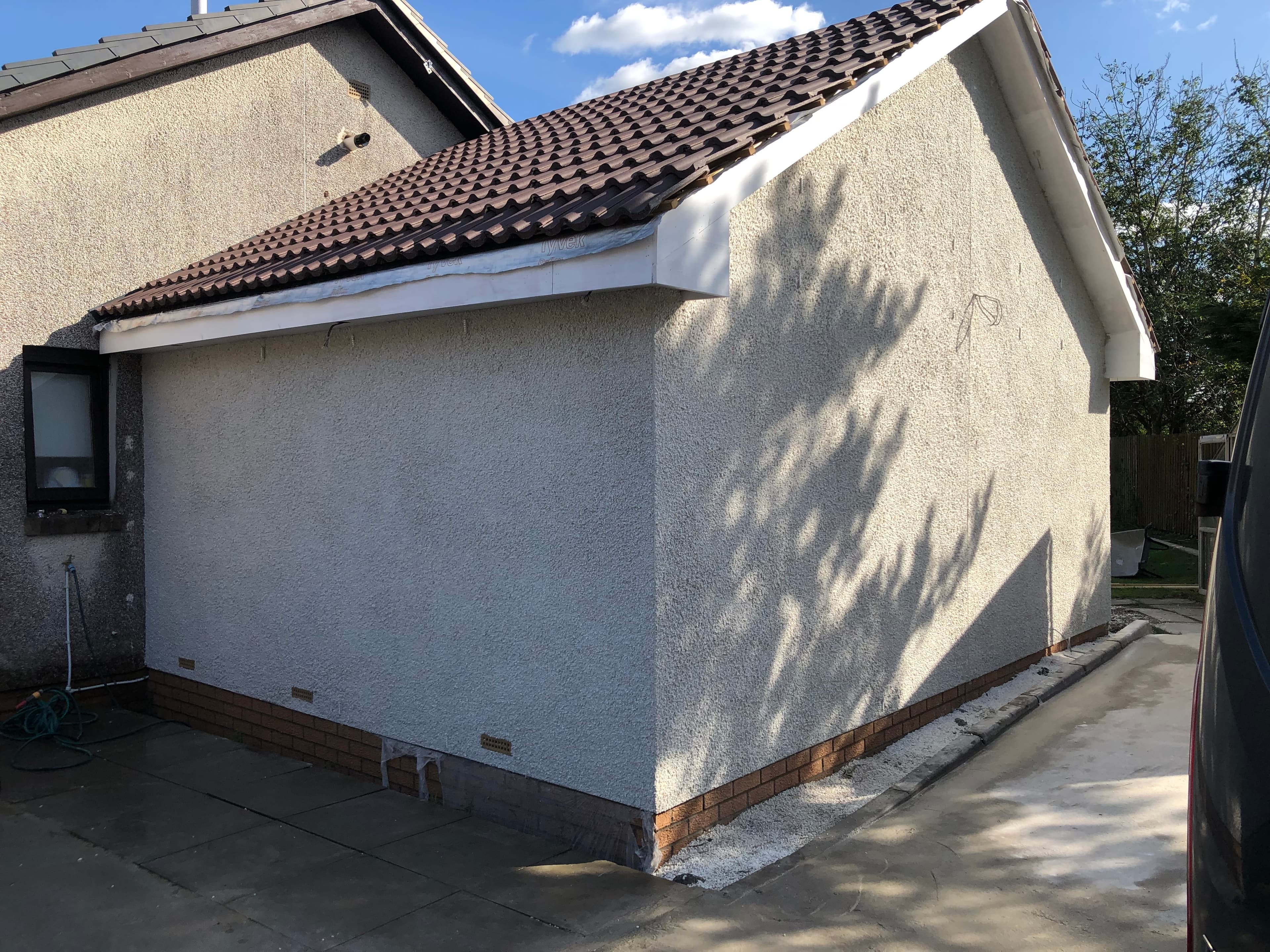
"When asked by my clients to recommend or sort a plasterer for a job Steven is my go to man! I've used him for countless jobs, his plastering work is fantastic, he is reliable and his prices are very competitive."
 FreeIndex review
Send a few details and, if you can, a photo of the work. That is the fastest way to get an accurate written quote, usually within 24 hours.
It is the first coat, combed so the next coat has a mechanical key. On this work it is the base for lime, not a finished face. Skipping it, or laying lime on a smooth dusty background, is why coats part.
Older brick and stone move and they hold moisture. A hard cement coat can trap that moisture. Lime is more flexible and lets the wall dry. On later blockwork a sand and cement render may still be the right coat: that sits on the rendering page.
Scratch then lime finish is the usual build-up. Very uneven masonry may need an extra dubbing-out coat before the scratch. The quote names the coats, not a vague render.
Only after the cement is off if it is hollow or trapping damp. Sound, well-keyed cement is a different conversation. We will not lime over a failing coat and call it a breathable repair.
Lime needs time to carbonate. We will not paint it the week it goes on, and we will not lay it into frost or onto a soaked wall. The written quote assumes we pick the days.
Trowelled weather coats, including sand and cement where the wall wants a harder mix.
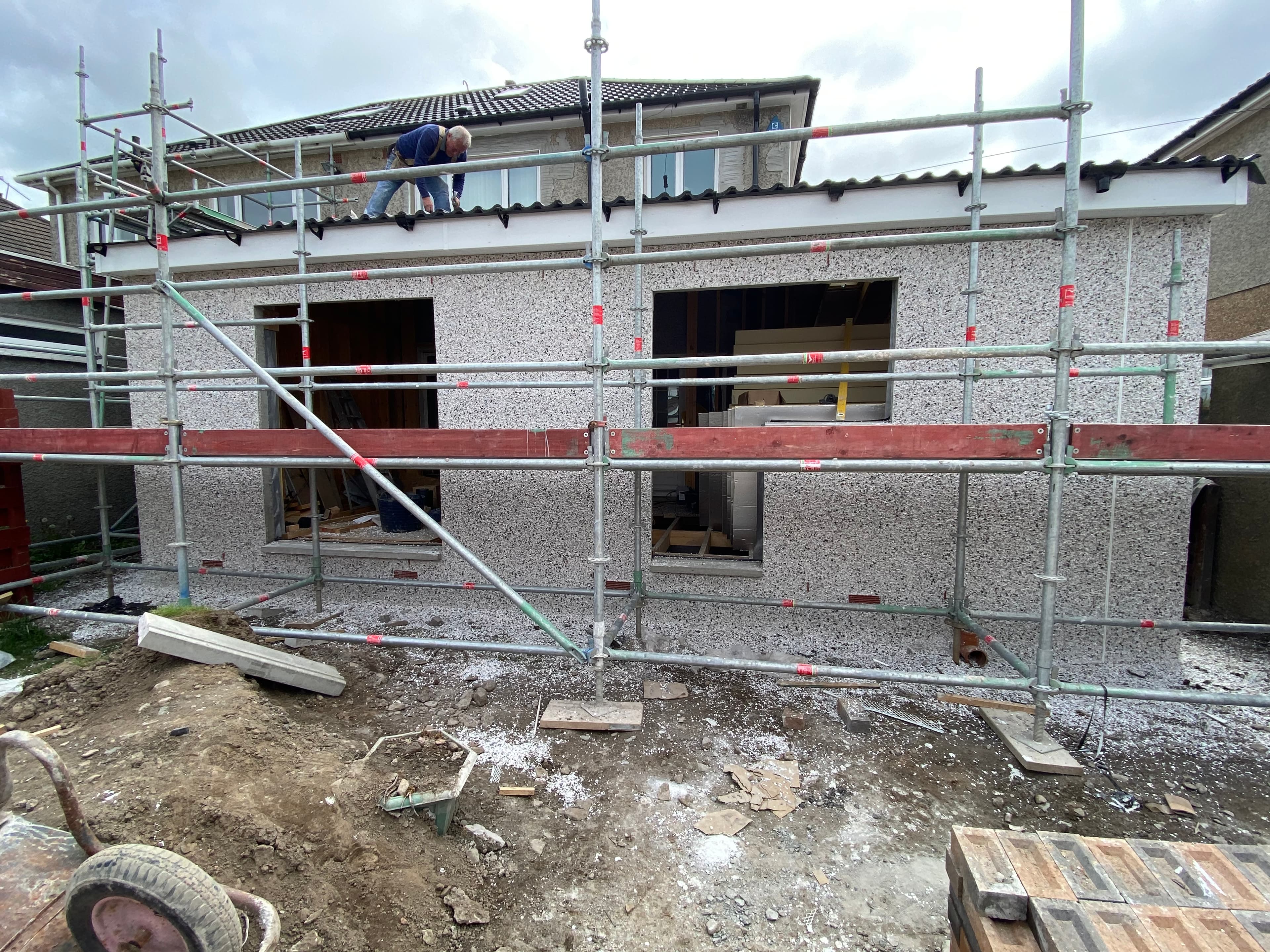
RenderingA chip or harled finish when you want wet dash rather than a lime face.
RoughcastingInside walls and ceilings when the external lime work is only part of the job.
PlasteringInternal plastering on rooms that sit behind the newly rendered wall.
Wall plasteringInternal making-good after damp on the outside has been dealt with.
Plaster repairAn insulated lining inside if the masonry is still cold after rendering.
Dry liningBased in Anniesland, we work throughout Glasgow and Central Scotland, around a 20 mile radius of G13 1DG, and further afield within reasonable travelling distance.
53, 21 Linden Street, Glasgow, G13 1DG
Do not see your area listed? Get in touch and we will tell you if we can cover it.
Send a photo of the elevation. You get a free fixed written quote, no obligation.